
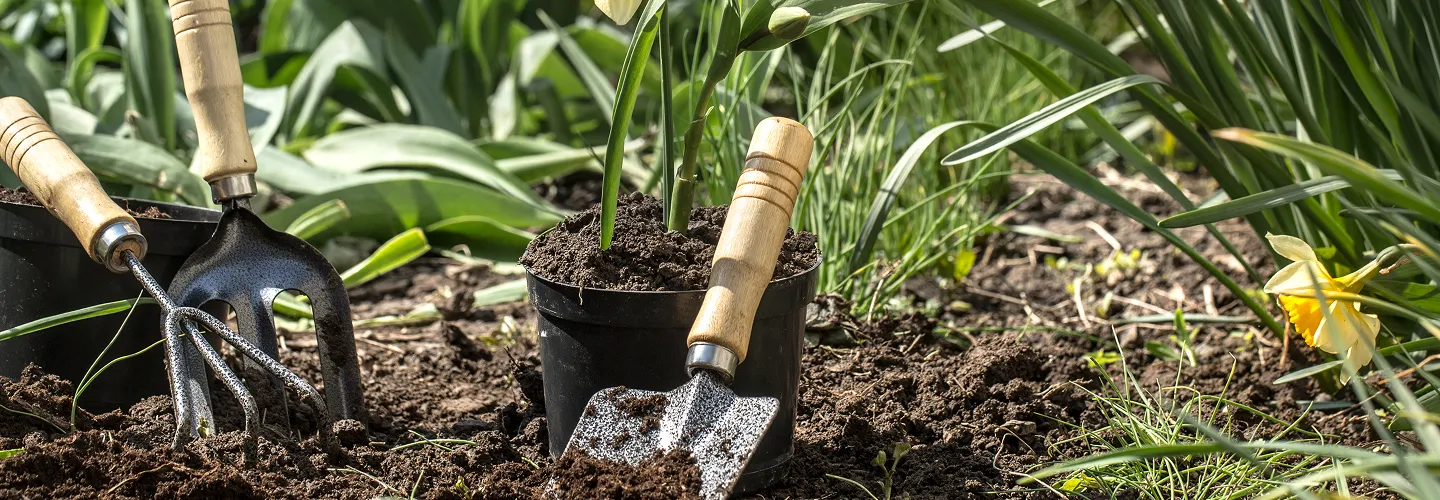
Beach City Flower Planting Services
Choose our Flower Planting services for expert care, premium plants, and creative designs that bring lasting color and beauty to your outdoor spaces—making your home the envy of the neighborhood.
Get a Free QuoteOur Beach City Landscaping & Yard Care Services
When to Schedule Flower Planting in Beach City, Texas – Seasonal Guide
In Beach City, Texas, timing your flower planting is crucial for vibrant, long-lasting blooms. The region’s subtropical climate means mild winters and hot, humid summers, so the best planting windows are typically early spring (late February to early April) and early fall (late September to October). Planting during these periods allows roots to establish before the intense summer heat or occasional winter chills. Neighborhoods near Trinity Bay, such as Beach City Estates and Fisher Road, often experience unique microclimates due to proximity to water and varying shade from mature oaks and pines.
Local environmental factors play a significant role in successful flower planting. For example, the area’s clay-heavy soils retain moisture but may require amending for optimal drainage. Watch for late frosts, which can occur into March, and consider the risk of summer droughts, especially in open lots near Point Barrow Road. For more information on local planting guidelines and municipal restrictions, visit the official Beach City resource.
Local Factors to Consider for Flower Planting in Beach City
- Proximity to Trinity Bay and its effect on humidity and salt exposure
- Soil composition (clay vs. sandy loam) and drainage capacity
- Shade coverage from mature trees in neighborhoods like Beach City Estates
- Average last frost date (typically mid-March)
- Summer drought risk and irrigation availability
- Terrain slope and runoff patterns
- Municipal guidelines on landscaping and water use
Benefits of Flower Planting in Beach City
Expert Local Knowledge
Customized Landscape Designs
Eco-Friendly Plant Selection
Year-Round Maintenance Support
Enhanced Curb Appeal
Increased Property Value
Beach City Flower Planting Types

Perennial Flower Beds
Perennial flower beds offer year-round color and require minimal replanting.
-
Annual Flower Displays
Annual flower displays provide vibrant seasonal color and can be changed each year.
-
Native Coastal Plantings
Native coastal plantings thrive in local conditions and support regional biodiversity.
-
Pollinator-Friendly Gardens
Pollinator-friendly gardens attract bees, butterflies, and other beneficial insects.
-
Drought-Tolerant Arrangements
Drought-tolerant arrangements conserve water while maintaining visual appeal.
-
Container Flower Gardens
Container flower gardens are versatile and ideal for patios, decks, and small spaces.
-
Shade-Loving Flower Beds
Shade-loving flower beds flourish in low-light areas and add lush greenery.
Our Flower Planting Process
Site Evaluation
Soil Preparation
Plant Selection
Careful Planting
Watering and Mulching
Why Choose Beach City Landscape Services
Beach City Homeowners Trust Us
-
Expert Lawn Maintenance
-
Reliable Irrigation Solutions
-
Competitive Pricing
-
Professional Team
-
Satisfaction Guarantee
-
Personalized Service
-
Eco-Friendly Practices
Soil Series and Drainage Considerations for Flower Planting in Beach City
Beach City’s predominant soils, as identified by the USDA Web Soil Survey, include the League and Anahuac series—characterized by clay loam textures, moderate to poor drainage, and pH levels typically ranging from 6.5 to 7.8. These soils can become compacted in developed areas, requiring mechanical aeration or deep tilling to a depth of 6-8 inches before planting. For optimal flower bed establishment, incorporate 2-3 inches of compost and consider lime application if pH falls below 6.0. Soil testing is available through Texas A&M AgriLife Extension for a typical fee of $15-25. Proper site preparation is essential to prevent waterlogging and root rot, especially in low-lying areas near Lake Anahuac and Trinity Bay. Buffer zones of at least 25 feet must be maintained from wetlands and drainage ditches to comply with local ordinances.
Chambers County Environmental Health and Permitting
404 Washington Avenue, Anahuac, TX 77514
Phone: (409) 267-2731
Official Website: Chambers County Environmental Health and Permitting
Seasonal Timing and Climate Zone Guidance for Beach City Flower Planting
Beach City is located in USDA Hardiness Zone 9a, with average annual minimum temperatures of 20-25°F. The optimal window for planting most annual and perennial flowers is from March 1 to April 15, when soil temperatures reach 55-65°F. Fall planting of hardy perennials is best completed between October 1 and November 15, before the first frost (typically late November). Avoid planting during the peak summer months (June-August) due to high heat and drought stress. Monitor local weather forecasts through the National Weather Service Houston/Galveston Office for frost advisories and rainfall events. For best results, irrigate newly planted beds with 1 inch of water per week, adjusting for rainfall. Mulch flower beds with 2-3 inches of organic material to conserve moisture and moderate soil temperature fluctuations.
Native and Salt-Tolerant Flower Species Selection for Coastal Beach City
Given Beach City’s proximity to Trinity Bay and periodic salt spray, select flower species with proven salt and humidity tolerance. Recommended native and adapted species include:
- Black-eyed Susan (Rudbeckia hirta)
- Gulf Coast penstemon (Penstemon tenuis)
- Texas lantana (Lantana urticoides)
- Seaside goldenrod (Solidago sempervirens)
- Turk’s cap (Malvaviscus arboreus var. drummondii)
- Daylily (Hemerocallis spp.) For shaded areas, consider coral bells (Heuchera americana) and woodland phlox (Phlox divaricata). Space plants according to mature width—typically 12-24 inches apart for bedding flowers. Avoid invasive species listed in the Beach City Code of Ordinances. Consult Texas A&M AgriLife Extension for additional plant recommendations and diagnostic support.
Municipal Coordination and Flower Bed Installation Standards in Beach City
All flower bed installations in Beach City must comply with local zoning and setback requirements, including a minimum 5-foot setback from public sidewalks and a 25-foot buffer from designated wetlands. Equipment operation for landscape work is permitted:
- Monday-Friday: 7:00 AM - 7:00 PM
- Saturday: 8:00 AM - 6:00 PM
- Sunday and holidays: Prohibited Debris from planting activities must be disposed of through the city’s weekly yard waste collection (Thursdays, April-November). Use biodegradable bags or 32-gallon containers; plastic bags and branches over 4 inches in diameter are prohibited. For projects exceeding 500 square feet or involving grading, a permit may be required through the county permitting office, with typical review times of 5-10 business days and fees ranging from $25-75.
Chambers County Permitting Department
2128 SH 61, Anahuac, TX 77514
Phone: (409) 267-2700
Official Website: Chambers County Permitting Department
Environmental Compliance: Stormwater, Buffer Zones, and State Regulations
Flower planting in Beach City must adhere to the Texas Water Code and Clean Water Act requirements, including the city’s MS4 stormwater permit. It is prohibited to deposit soil, mulch, or plant debris into storm drains or within 25 feet of wetlands and open water. Fertilizer and pesticide applications must not occur within 50 feet of water bodies. The Texas Commission on Environmental Quality (TCEQ) enforces these standards, and violations may result in fines. For technical guidance on buffer zones and stormwater best practices, consult EPA Region 6 and the USDA Web Soil Survey. Soil erosion control measures, such as silt fencing or straw wattles, are required for projects on slopes or near drainageways.
What Neighborhoods Do We Serve Throughout Beach City, TX?
- Beach City Estates: Features expansive lots with League clay soils and moderate drainage; flower beds here benefit from deep soil amendment and raised planting techniques.
- Oaks of Trinity: Characterized by mature tree canopy and partial shade, requiring shade-tolerant species and careful irrigation management due to root competition.
- Bayridge: Located near Trinity Bay, this area faces salt spray and occasional flooding; select salt-tolerant flowers and elevate beds to improve drainage.
- Southwinds: Newer development with compacted fill soils and limited organic matter; soil testing and compost incorporation are essential for successful planting.
- Lakeview Meadows: Proximity to wetlands and drainage ditches necessitates strict adherence to buffer requirements and careful fertilizer use to protect water quality.
- Cove Harbor: Waterfront properties with sandy loam soils and high wind exposure; windbreaks and drought-tolerant species are recommended for sustainable flower beds.
- Pinehurst: Features sloped lots and mixed sun/shade conditions, requiring erosion control measures and diverse plant selection for optimal results.