
Beach City Pruning Services
Choose our professional pruning services to enhance your landscape’s beauty, promote healthy growth, and ensure the safety of your property with skilled, reliable care.
Get a Free QuoteOur Beach City Landscaping & Yard Care Services
When to Schedule Pruning in Beach City, Texas – Seasonal Guide
In Beach City, Texas, the best time to schedule pruning depends on our unique Gulf Coast climate and the specific needs of your landscape. Generally, late winter to early spring—before new growth begins—is ideal for most trees and shrubs. This timing helps minimize stress on plants and reduces the risk of disease, especially important in neighborhoods like Plantation Estates and along the Trinity Bay shoreline, where humidity and salt air can impact plant health.
Local environmental factors play a significant role in determining the optimal pruning schedule. For example, our region’s last frost typically occurs in late February, so it’s wise to avoid pruning too early. Areas with dense shade, such as properties near Beach City Park, may require more frequent maintenance due to slower drying times and increased risk of fungal issues. Additionally, soil types in Beach City range from sandy near the bay to heavier clay inland, affecting root stability and growth patterns. For more information on local climate and environmental data, visit the Sudbury town website.
Local Factors to Consider for Pruning in Beach City
- Tree and shrub density on your property
- Proximity to water sources and salt exposure
- Typical precipitation patterns and drought risk
- Soil type (sandy vs. clay)
- Shade coverage from mature trees or nearby structures
- Municipal restrictions or HOA guidelines
- Recent storm or hurricane impacts
By considering these local factors, you can ensure your landscape remains healthy, attractive, and resilient throughout the year.
Benefits of Pruning in Beach City
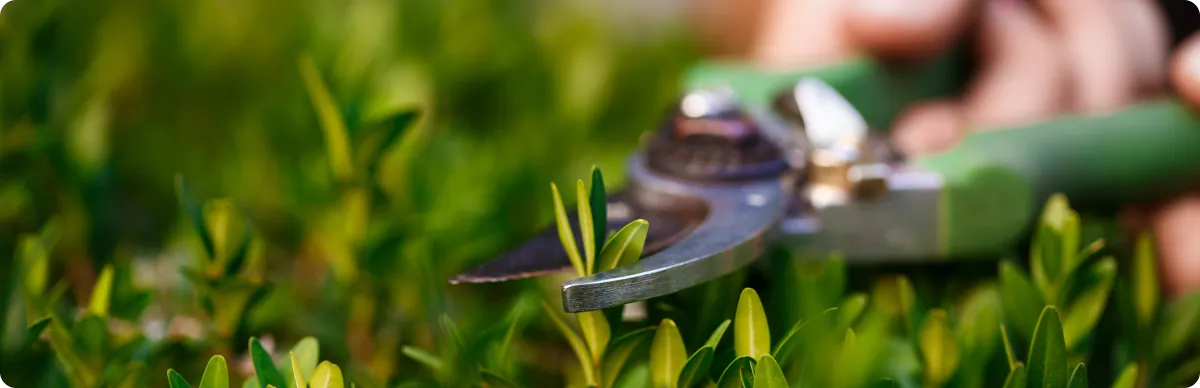
Enhanced Plant Health
Improved Curb Appeal
Increased Sunlight Exposure
Pest and Disease Prevention
Promotes New Growth
Professional and Reliable Service

Beach City Pruning Types

Crown Thinning
-
Crown Reduction
-
Crown Raising
-
Deadwooding
-
Formative Pruning
-
Pollarding
-
Vista Pruning
Our Pruning Process
Site Evaluation
Plant Selection
Targeted Pruning
Debris Removal
Final Inspection
Why Choose Beach City Landscape Services
Beach City Homeowners Trust Us
-
Expert Lawn Maintenance
-
Reliable Irrigation Solutions
-
Competitive Pricing
-
Professional Team
-
Satisfaction Guarantee
-
Personalized Service
-
Eco-Friendly Practices
Pruning Requirements and Permit Procedures in Beach City’s Municipal Code
Pruning activities in Beach City are governed by specific municipal ordinances to ensure public safety, tree health, and compliance with local standards. According to the Beach City Code of Ordinances, any pruning of trees over 6 inches in diameter at breast height (DBH) on public property or within 50 feet of wetlands requires a permit. The application fee is typically $50, with a review period of 7-10 business days. Equipment operation for pruning is permitted during the following hours:
- Monday-Friday: 7:00 AM - 7:00 PM
- Saturday: 8:00 AM - 6:00 PM
- Sunday and holidays: Prohibited All debris must be collected and disposed of according to city guidelines. For permit applications and ordinance details:
Beach City Code Enforcement
12723 FM 2354, Beach City, TX 77523
Phone: (281) 383-3180
Official Website: Beach City Code of Ordinances
Soil Series and Drainage Considerations for Pruning in Beach City
Beach City’s predominant soils, as identified by the USDA Web Soil Survey, include the League clay loam and Anahuac silt loam, both characterized by moderate to poor drainage and a pH range of 6.0-7.5. These soils can lead to root stress if heavy equipment compacts the ground during pruning operations, especially after rainfall. To minimize soil compaction and protect root zones:
- Use lightweight, tracked equipment on wet soils
- Avoid pruning immediately after heavy rain (soil saturation >30%)
- Maintain a 3-inch mulch layer around tree bases
- Schedule soil testing every 2-3 years for pH and compaction For soil testing and management guidance:
Texas A&M AgriLife Extension
155 E. Fort Anahuac, Anahuac, TX 77514
Phone: (409) 267-8347
Official Website: Texas A&M AgriLife Extension
Environmental Compliance: Wetland Buffers and Stormwater Protection in Beach City
Pruning near Beach City’s wetlands, bayous, and drainage channels must comply with both local and state environmental regulations. The Texas Water Code and Clean Water Act require a minimum 25-foot no-disturbance buffer from delineated wetlands. The city’s MS4 permit, administered by the Texas Commission on Environmental Quality, prohibits the disposal of pruning debris or chemicals in storm drains. Key compliance steps include:
- Maintain 25-foot buffer from wetlands and drainage ditches
- Prohibit fertilizer or pesticide application within 50 feet of water bodies
- Use biodegradable bags for debris collection
- Schedule debris pickup on Thursdays, April-November For environmental compliance questions:
Chambers County Environmental Health and Permitting
201 Airport Road, Anahuac, TX 77514
Phone: (409) 267-2731
Official Website: Chambers County Environmental Health and Permitting
Seasonal Timing and Weather Considerations for Pruning in Beach City’s Coastal Climate
Beach City is located in USDA Hardiness Zone 9a, with a subtropical coastal climate and average annual rainfall of 54 inches. Optimal pruning windows are late January through early March, before spring growth, and again in late October after the first cool front. Avoid pruning during periods of high humidity or when severe weather is forecasted by the National Weather Service Houston/Galveston Office. Timing recommendations:
- Major pruning: January 15 – March 10
- Light maintenance: October 15 – November 15
- Avoid: June-August (heat stress, hurricane season)
- Monitor soil moisture: Delay if soil is saturated For up-to-date weather alerts and timing guidance:
National Weather Service Houston/Galveston
1353 FM 646, Dickinson, TX 77539
Phone: (281) 337-5074
Official Website: National Weather Service Houston/Galveston
Safety Protocols and Equipment Standards for Pruning in Beach City
All pruning operations in Beach City must adhere to ANSI A300 standards and local safety ordinances. Operators are required to maintain a 15-foot clearance from overhead power lines and use only commercial-grade, well-maintained equipment. Personal protective equipment (PPE) is mandatory:
- Eye protection: ANSI Z87.1 safety glasses
- Hearing protection: Earmuffs or plugs for 85+ dB
- Footwear: Steel-toed, non-slip boots
- Gloves: Cut-resistant for pruning Traffic control is required when working within 10 feet of public roads, including signage and safety cones. For additional safety requirements and equipment standards:
Chambers County Road and Bridge Department
201 Airport Road, Anahuac, TX 77514
Phone: (409) 267-2708
Official Website: Chambers County Road and Bridge Department
What Neighborhoods Do We Serve Throughout Beach City, TX?
- Beach City Estates: Features mature live oaks and clay loam soils with moderate drainage; pruning here often requires careful equipment access and attention to root zone protection.
- Oaks at Houston Point: Large lots with dense tree canopies and proximity to Trinity Bay wetlands; special care is needed for buffer compliance and debris containment.
- Southwinds: Newer development with compacted fill soils and limited street access; pruning operations must coordinate with HOA guidelines and city noise ordinances.
- Point Barrow: Waterfront properties with high wind exposure and salt spray; pruning timing is critical to minimize storm damage and maintain tree health.
- Bayridge: Mixed-age trees and variable drainage; frequent maintenance is needed to manage stormwater flow and prevent debris from entering city ditches.
- Cove Acres: Smaller lots with overhead utilities and narrow streets; safety protocols and traffic control are essential during pruning activities.
- Houston Point Reserve: Conservation area adjacent, requiring strict adherence to wetland buffer zones and environmental compliance for all pruning work.